

Publications
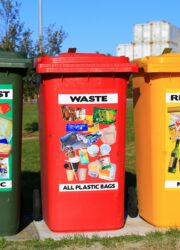
Environmental Impacts of Waste Management Strategies
Apr 2025When deciding on a waste management strategy, the level of social involvement, nature and amount of waste to be handled matter, two case studies in […]
read more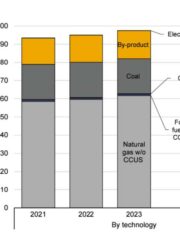
Biomass gasification for hydrogen production
Mar 2025IEA Bioenergy Task 33 (Gasification of Biogenic and Waste Feedstocks for a Sustainable Future) has conducted a comprehensive study on biomass gasification technologies suited for […]
read more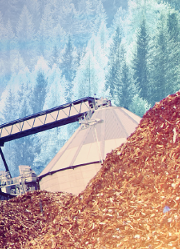
Business Models for Bio-hubs in Canada and Australia
Mar 2025The development of a circular bioeconomy presents a major economic opportunity for several countries as it supports the transition to a low-carbon economy. Though there […]
read more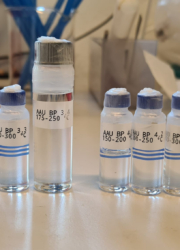
Overview of Thermochemical Liquefaction activities in Denmark and Finland
Mar 2025This report by Task 34 (Direct Thermochemical Liquefaction) provides an overview of research activities, demonstration activities and commercial applications of Direct Thermochemical Liquefaction of biomass […]
read more
Implementation of anaerobic digestion facilities in the food and beverage industry
Mar 2025In food and beverage production processes take agricultural biomass as input. These production processes result in biogenic by-products and waste, often very aquatious, that can […]
read more
Expectations on flexible bioenergy in different countries
Mar 2025To unlock the enormous potential of flexible bioenergy’s contribution to the transformation of the energy system, favourable policy conditions are necessary. In a new report […]
read more
Synergies for bioenergy supply chains in bioeconomy networks
Mar 2025The report “Synergies for bioenergy supply chain in Bioeconomy networks” describes valuable efforts to expand the current linear value chain perspective into a broader network-based […]
read more
Social and Environmental Sustainability of Municipal Solid Waste in the Context of the UN Sustainable Development Goals
Mar 2025Globally, significant, and continuously growing, volumes of municipal solid waste (MSW) are generated, and are often disposed of in sub-optimal ways resulting in undesired environmental, […]
read more
Biofuels production and development in Canada
Feb 2025Feature article in IEA Bioenergy Task 39 Newsletter Issue #66, by Allison Simmonds, Natural Resources Canada. Highlights: Canada has a high use of transport fuels […]
read more