

Publications
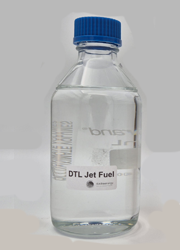
Drop-in aviation and marine fuels from upgraded direct thermochemical liquefaction products
May 2026Fast Pyrolysis and Hydrothermal Liquefaction are two thermochemical conversion routes that transform biomass into liquid intermediates, which require subsequent upgrading to meet fuel specifications. Download […]
read more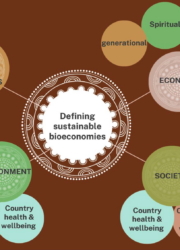
Indigenous-led Circular Bioeconomies: Social and Economic Impacts and Social Perceptions
Apr 2026This report by Task 43 (Biomass supply) provides an in-depth analysis of First Nations-led circular bioeconomies in Australia, examining their social, economic, environmental, and cultural […]
read more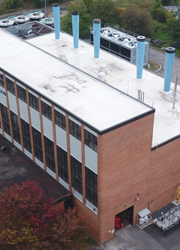
Overview of CCU Technology Types Assessment Study for 1.5 MWth Biomass District Heating Plant in Ottawa, Ontario
Mar 2026In a series of three case study reports on biomass combustion with carbon capture and storage or utilisation, the strategic research programme on Bioenergy Carbon […]
read more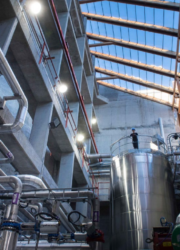
From Anaerobic Wastewater Treatment to Resource Factory – VEAS
Mar 2026The sewage company VEAS operates Norway’s largest wastewater treatment plant, serving around 650-700 thousand people and protecting the Oslofjord through advanced nutrient removal. The facility […]
read more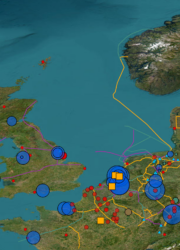
Renewable Fuels from Biomass and Hydrogen in the North Sea Region
Mar 2026Regionalization and commoditization strategies for sustainable bioenergy The global energy transition is shifting from centralized fossil fuels to a more decentralized system, with an increasing […]
read more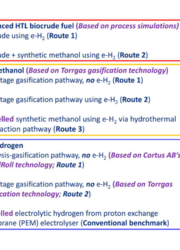
Synergies of Green Hydrogen and Biobased Value Chains Deployment – Synthesis Report
Mar 2026According to the International Energy Agency (IEA), fuels in the form of hydrogen, hydrogen- based fuels, and bioenergy will have to meet 24% of global […]
read more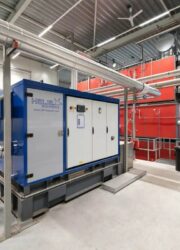
Two neighbouring factories in the Netherlands share the produced electricity and process heat from wood waste combustion
Feb 2026Biomass for industrial process heat The use of biomass for energy in industry is growing rapidly in the last 15 years. Until about 2010, the […]
read more
Advanced sorting technologies – Focus: Food Waste
Feb 2026With over one billion tons of food waste generated annually worldwide, contributing 8-10% of global greenhouse gas emissions, effective sorting technologies are critical for environmental […]
read more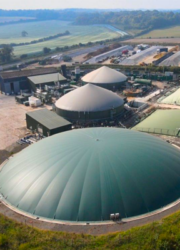
Towards carbon neutrality in on-farm biomethane production from break crops
Feb 2026Apsley Farms is an innovative agricultural business in Hampshire, UK, combining traditional farming with modern bioenergy technology. The facility is one of the largest biomethane […]
read more