
Decentralized Energy Systems – A Part of the Global Energy Transition
Decentralized Energy Systems (DES) are energy systems that generate, convert, store, and supply energy locally using available resources. These systems are typically owned or operated by local energy consumers, communities, or businesses and may include a wide range of renewable and low-carbon technologies, such as solar PV systems, small wind turbines, biomass or biogas facilities, combined heat and power (CHP) plants, heat pumps, battery and thermal energy storage, as well as systems producing renewable gases, hydrogen, or liquid fuels.
Beyond installed capacity, these systems can contribute to communities’ self-sufficiency, bring flexibility and can be integrated across sectors further contributing to balancing supply and demand. Growing relevance of decentralized energy is key factor in global and regional energy transitions.
IEA Bioenergy “Task 32 (Biomass Combustion), Task 36 (Material and Energy Valorisation of Waste in a Circular Economy), and Task 44 (Flexible Bioenergy and System Integration) collaborated to publish a report in 2026 presenting four case studies of decentralised energy systems in three EU countries, exploring the effects of circular economy initiatives across waste and energy value chains.
The report illustrates examples of integrated energy solutions combining different renewable technologies providing lessons for decision makers involved in energy transition. Decentralized energy systems are commercially mature and operationally proven. The main barrier to support their implementation is not technical or regulatory but relate to upfront capital costs.
Download the full report “Decentralized Energy Systems – A Part of the Global Energy Transition”
Energy security, cost stability, climate responsibility, and local resilience are increasingly important for farms, businesses, and communities across Europe. This report presents four case studies from Denmark, Germany, and Sweden that demonstrate how decentralized and locally integrated energy systems can provide reliable, sustainable, and cost-effective energy solutions.
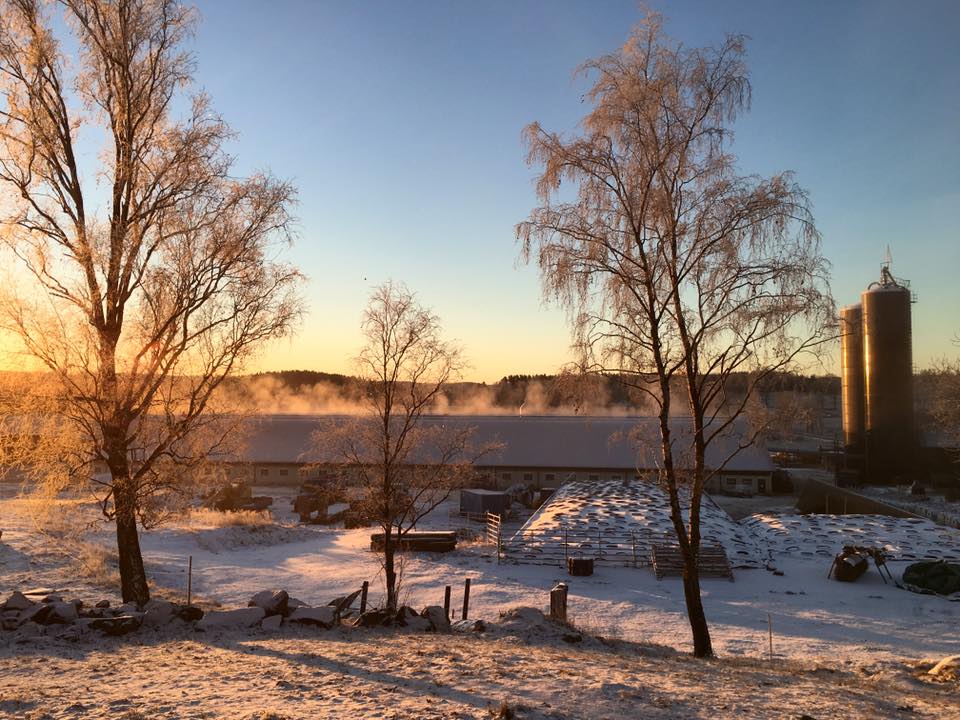
Three of the case studies focus on agricultural applications.
The dairy farm in Lambrechtshagen, Germany, combines biogas production from manure and crop residues with a solar PV system. The system generates renewable electricity and heat, reduces greenhouse gas emissions, creates significant annual cost savings, and returns nutrients to the fields through digestate.
The pig breeding farm in Panzow, Germany, replaced fossil-based heating with a wood chip boiler and added solar PV, eliminating fossil heating while improving energy security and reducing energy costs. In Sweden, Vasen Farm uses manure from its dairy herd to produce biogas that fuels a combined heat and power unit. The system meets the farm’s energy needs and can operate independently during grid outages, strengthening energy resilience.
The fourth case study examines the Silkeborg district heating plant in Denmark, which combines biomass combustion with large-scale heat pumps. The hybrid system provides heat to approximately 55 thousand consumers while reducing dependence on fossil fuels and helping to stabilize heat prices. It also demonstrates how low-quality biomass resources can be effectively utilized.
Common characteristics
Despite their different technological configurations, the projects share several common characteristics. All contribute to reducing greenhouse gas emissions and increasing local energy security. Flexibility is a key feature, achieved through the integration of complementary technologies such as photovoltaic systems, biomass, biogas, heat pumps, and energy storage. This flexibility helps reduce operating costs while enabling additional benefits, such as fertilizer production and improved resource utilization.
Beyond energy generation, the projects create wider social and economic value by supporting local employment, strengthening regional supply chains, retaining economic value within communities, and promoting circular resource flows. Together, these examples demonstrate that decentralized energy systems are mature, practical solutions that can enhance sustainability, resilience, and resource efficiency at the local level.
Some key findings for policymakers
- Decentralized energy systems improve energy security, resilience, and cost stability for farms, businesses, and communities.
- Combining complementary technologies such as biogas, biomass, solar PV, heat pumps, and energy storage increases system flexibility and overall efficiency.
- Farm-scale bioenergy systems can provide multiple benefits simultaneously, including renewable electricity and heat, nutrient recycling, greenhouse gas emission reductions, and lower energy costs.
- Hybrid energy systems can effectively utilize local and low-value biomass resources, reducing dependence on fossil fuels and volatile energy markets.
- Flexibility in decentralized systems creates value beyond energy generation, such as fertilizer production, improved resource efficiency, and enhanced energy independence.
- Decentralized energy projects support local employment, regional supply chains, and rural economic development by keeping resources and investments within local communities.
- The case studies demonstrate that decentralized energy solutions are mature, practical, and scalable technologies that contribute to climate mitigation, circular economy goals, and long-term local resilience.
The report will be presented in a webinar on 15 December: Register for free
Other reports on Decentralized Energy Systems:
Regional integration and collaboration are key to the viability of bioenergy systems (2026)
Decentralised Micro-biodigester systems for rural South Africa (2021)